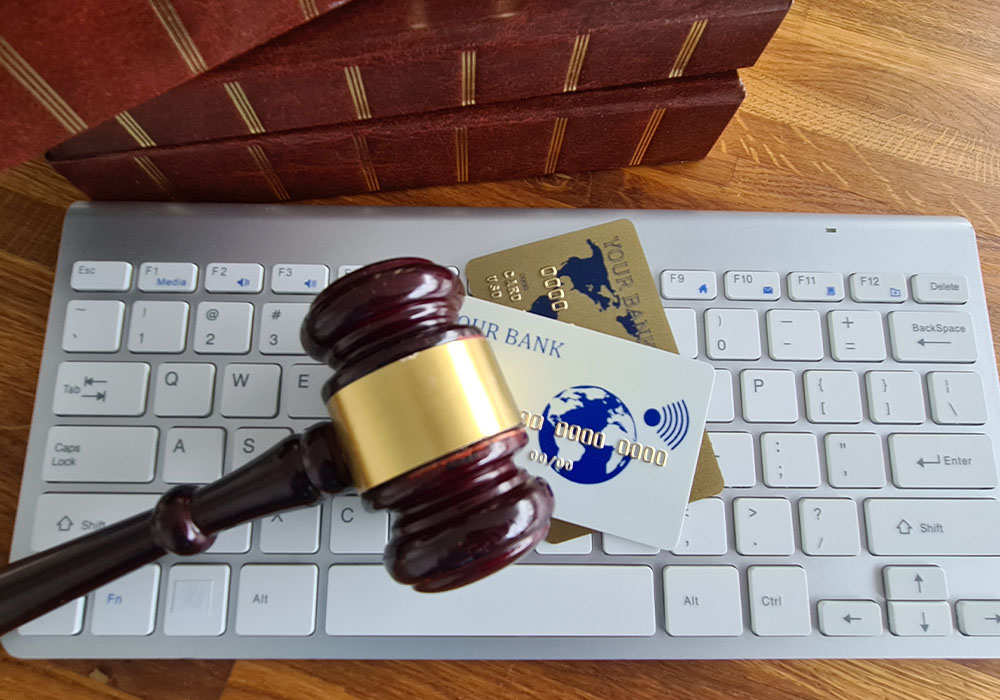

Online shopping in Minnesota has made life easier, but it also brings new risks. When a product bought online fails and causes harm or loss, the question arises: who is responsible? Understanding online seller liability helps Minnesota buyers and businesses stay safe and fair in the growing digital marketplace.
What Is Online Seller Liability?
Online seller liability refers to the situation where a seller may be held legally responsible if a product they sell causes injury, damage, or fails to function as expected. This rule protects Minnesota consumers when they buy goods through websites, apps, or social media stores.
In Minnesota, liability can involve:
- Defective products that break or malfunction
- False product details that mislead buyers
- Unsafe items that cause injury or property damage
Courts in Minnesota may hold sellers, marketplaces, or even manufacturers liable, depending on how the transaction happened and who controlled the sale.
Common Types of Product Failures
When online products fail in Minnesota, the cause can vary. Some of the most common issues include:
- Poor quality or fake items are sold as genuine
- Electric devices overheating or catching fire
- Health or beauty products causing allergic reactions
- Furniture or tools breaking during normal use
These failures not only bring frustration but can also lead to financial loss, injury, or even safety concerns.
Who Is Responsible Under Minnesota Law?
Responsibility in online sales depends on the seller’s role. Minnesota law may hold:
- Direct sellers are liable if they list, package, or ship the faulty product
- Manufacturers are responsible for poor design, materials, or safety flaws
- Online platforms like third-party marketplaces are liable if they control the sale, process payments, or influence advertising
For example, if a Minnesota consumer buys a power tool from a local online seller and it explodes due to poor parts, both the seller and the maker could share fault.

How Minnesota Consumers Are Protected
Minnesota has strong consumer protection rules. The law ensures that online shoppers have the right to fair refunds, replacements, or compensation for damages when products fail. The Minnesota Deceptive Trade Practices Act and warranty laws protect buyers from false claims and unsafe goods.
Minnesota residents can:
- Report product issues to the Minnesota Attorney General’s Office
- File claims for defective or mislabeled products
- Seek replacements or refunds from online sellers
Many sellers in Minnesota must clearly share return policies and safety information before or during purchase.
Reducing Risks for Online Sellers
Online sellers in Minnesota can reduce liability by following safe business steps:
- Provide honest and complete product descriptions
- Keep records of suppliers and shipments
- Follow Minnesota safety rules and standards
- Offer refunds or support quickly when problems happen
- Use clear disclaimers and customer agreements
Good communication and fairness build customer trust and lower legal troubles for sellers.
Final Thoughts
As online shopping keeps growing in Minnesota, both buyers and sellers must understand their rights and duties. When products fail, liability can fall on different parties, but the law aims to protect Minnesotans from unfair harm. Safe sales practices, honest product information, and quick support help everyone stay protected in the virtual marketplace.