
Climate change is no longer only an environmental issue; it has become a serious human rights concern. Rising temperatures, stronger storms, and shifting weather threaten the health, safety, and dignity of people. In communities like Brandon, these changes raise urgent legal and social questions. When homes, crops, or access to clean water are destroyed, the basic rights of individuals come under direct risk.
Across the world, human rights law is playing a growing role in addressing these harms. Brandon offers an important place to explore this link, as the community also faces the effects of climate-related challenges.
Climate Change as a Human Rights Challenge
Climate change affects more than nature. It impacts the everyday lives of people. For families in Brandon, damage from flooding, heat waves, or air pollution may prevent them from living in safe, healthy conditions. Basic human rights, such as the rights to life, clean water, and housing, are all connected to a stable climate.
In this way, protecting the environment is no longer only about conservation. It is directly tied to laws designed to safeguard human well-being.
Key Human Rights at Stake
When climate issues strike communities such as Brandon, the following human rights can be placed at risk:
- Right to life: Lives are threatened by rising seas, storms, and increasing heat.
- Right to health: Air quality, spread of disease, and strained medical systems place health at risk.
- Right to food and water: Crops fail or water becomes unsafe, leaving families without basic supplies.
- Right to housing and property: Extreme weather can destroy shelter, forcing people to relocate.
These examples show that climate change not only harms the landscape. It strikes directly at people’s ability to live safely.
The Role of Human Rights Law
Human rights law gives a legal framework for addressing these issues. Courts in several countries have accepted cases arguing that governments have a duty to act against climate change. In Brandon, local governments and leaders are increasingly aware that safeguarding the environment strengthens protection of community rights.
Human rights law requires states to respect, protect, and fulfill the basic needs of citizens. When linked to climate change, this can include:
- Creating policies to reduce greenhouse gases.
- Ensuring safe housing for families affected by storms.
- Protecting access to clean drinking water and safe air.
- Supporting vulnerable groups, such as children, the elderly, and low-income households.
Brandon’s Local Perspective
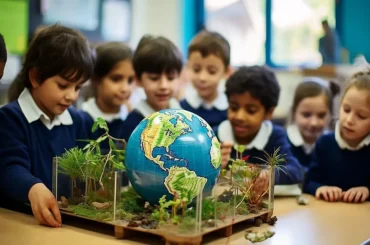
Brandon, like many communities, sees both the risks and responsibilities tied to climate impacts. Flood management, disaster readiness, and clean energy policies are becoming central questions for people here. Schools, local councils, and rights groups in Brandon have started to explore how human rights law can support fair solutions.
For example, rebuilding efforts after floods are not only about repairing property. They also protect rights. Ensuring equal access to relief avoids discrimination and strengthens justice.
Conclusion
In Brandon, climate protection is a human dignity issue, as fundamental rights rely on a stable climate. Applying human rights laws ensures a fairer approach to climate challenges, prioritizing people’s protection and well-being, and reframing the fight against climate change as a human protection effort.